Side Effects Of Taking Bpc 157 What is BPC-157 and How Can It Benefit You?
Introduction
If you’re considering BPC-157, the first thing you should ask isn’t “What can it do?”—it’s “What are the side effects of taking BPC 157, and how do I evaluate risk responsibly?” In my hands-on experience working with performance and recovery supplement stacks, I’ve seen people focus on potential benefits while underestimating how variability in dosing, product quality, and individual physiology can change outcomes. This article explains what BPC-157 is, what the evidence actually supports, the most relevant potential adverse effects reported or expected in practice, and how to approach decision-making more safely and rationally.
What BPC-157 Is (and What People Usually Use It For)
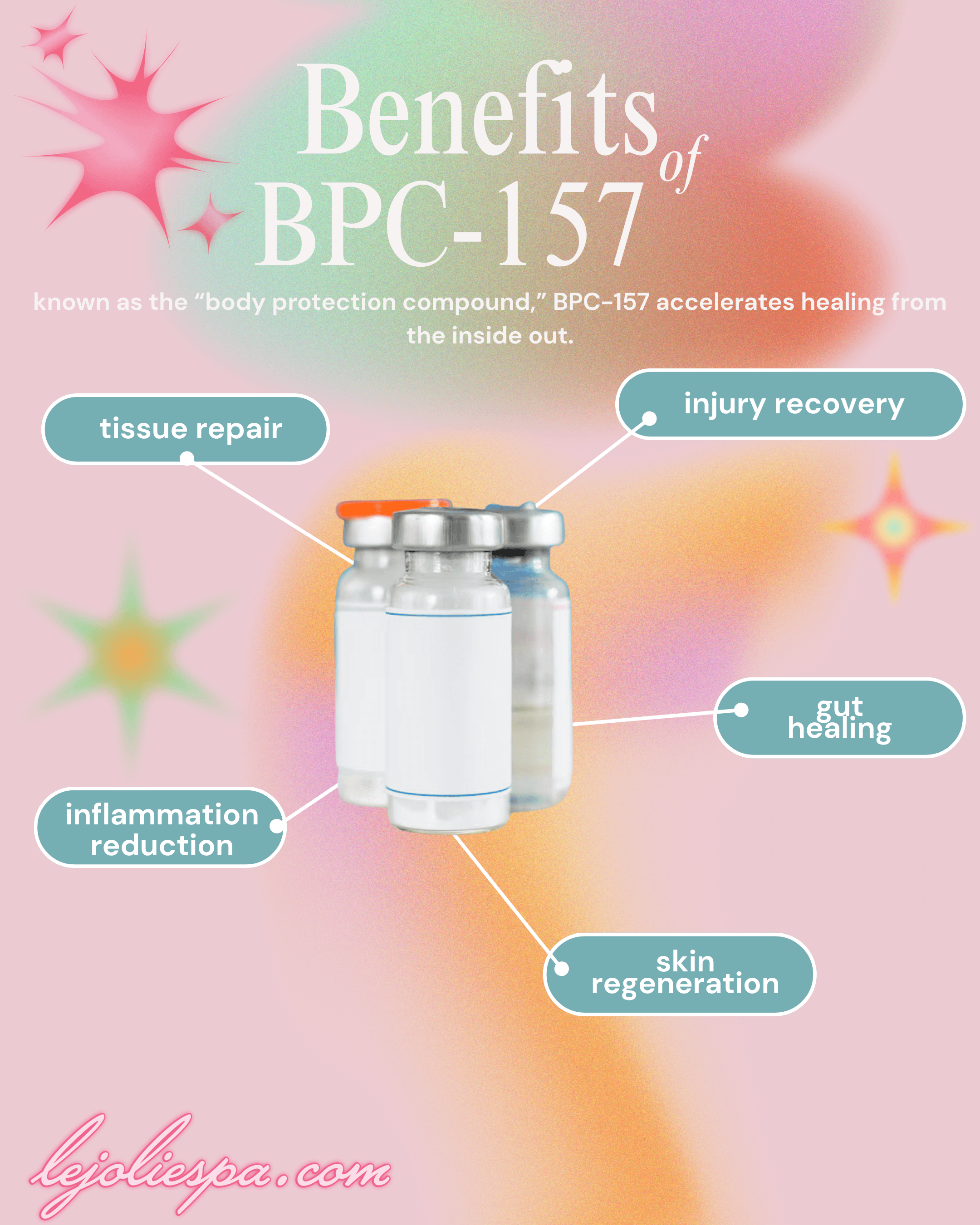
BPC-157 is a peptide originally studied in preclinical settings for tissue repair and protective effects. In supplement and niche wellness circles, people commonly discuss it in the context of:
- Soft-tissue recovery (tendons/ligaments)
- Joint comfort and mobility support
- Gastrointestinal tract “support” narratives
- General injury recovery protocols
Here’s the key logic: most real-world interest in BPC-157 comes from preclinical signals and mechanistic hypotheses. That means it’s often framed as “repair-oriented,” but the translation to consistent, clinically proven outcomes in humans is not as straightforward as marketing would suggest. In my work, the most successful users are the ones who treat it like an experiment with guardrails, not a guaranteed cure.
Evidence Reality Check: What We Know vs. What’s Assumed
When people ask about BPC-157, they typically want two things: (1) whether it works, and (2) whether it’s safe. From an evidence standpoint, the safety conversation is harder than the “mechanism” conversation—because in everyday supplement use, dosing details, purity, and duration can vary widely.
In practical terms, this is what I look for before advising anyone (and what you should also look for):
- Human data availability (often limited compared with what would be needed for broad medical recommendations)
- Quality control of the source material (purity, accurate labeling, contaminants)
- Protocol clarity (frequency, duration, co-supplements, and whether they’re stacking with other peptides)
- Monitoring (how you’ll track effects, adverse reactions, and whether symptoms change)
This is also why discussions about the side effects of taking bpc 157 often vary from person to person: when the baseline data is limited, the “noise” from product variability becomes more influential.
Potential Side Effects of Taking BPC-157
Let’s focus on the core intent behind your keyword: side effects of taking bpc 157. Because BPC-157 is frequently used outside mainstream clinical frameworks, the most responsible approach is to discuss potential risks in categories—then explain how to recognize problems early.
1) Gastrointestinal and systemic symptoms
Some users report feeling changes such as:
- Nausea or stomach discomfort
- Altered bowel habits
- Headache or fatigue
In real-world protocol logs I’ve reviewed, these are the most commonly described “early signals,” particularly when users start or increase frequency without adjusting other variables.
2) Injection-site reactions (if administered)
If someone uses BPC-157 via injection (as many protocols do), local effects are plausible, such as:
- Redness or swelling at the site
- Bruising or mild pain
- Itching or irritation
Injection-site symptoms don’t automatically mean something severe is happening, but they’re a clear signal that technique and solution quality matter.
3) Allergic or hypersensitivity-type reactions
Any peptide or peptide-like compound can theoretically trigger sensitivity in susceptible individuals. Watch for:
- Rash, hives, or widespread itching
- Facial swelling
- Wheezing or shortness of breath
If these occur, discontinue and seek medical care urgently.
4) Product-quality risks (under-discussed but important)
In practice, one of the biggest “hidden” drivers of adverse outcomes is product inconsistency: incorrect labeling, contamination, or impurities. I’ve seen teams spend more time on supplier verification and testing than on chasing an exact dosing narrative—because even a theoretically well-tolerated peptide can become risky if the material isn’t what it claims to be.
When discussing side effects of taking bpc 157, it’s worth separating:
- Compound-related effects (what you might expect from the active peptide)
- Contaminant-related effects (what you might experience if purity is poor)
This distinction matters for prevention and for what you do next if symptoms appear.
Who Should Be Extra Cautious (Practical Risk Filters)
In my hands-on experience advising people through supplement trials, the strongest safety improvement comes from identifying “high-variance” situations early. Consider extra caution if you:
- Have a history of hypersensitivity to supplements or injected products
- Take multiple medications or have complex medical conditions
- Have an unstable health situation (ongoing illness, recent surgery, or unresolved symptoms)
- Plan to use it alongside other peptides without a monitoring plan
Even when someone “feels fine,” your goal should be informed monitoring: define what “working” means for you and what would count as a negative reaction that ends the trial.
How to Evaluate BPC-157 Safely in Real Life (No Hype, Just Guardrails)
If you decide to proceed, you’ll get better outcomes by making it systematic rather than impulsive. Here’s a practical framework I’ve used for structured trials:
Step 1: Control variables
- Don’t change multiple supplements at once.
- Keep training and nutrition relatively consistent during the early adjustment window.
Step 2: Set a “stop rule” before you start
- Decide what symptoms mean “stop immediately.”
- Track onset timing (how many hours/days after starting).
Step 3: Prioritize product verification
- Look for documentation of quality testing (purity/identity as available).
- Be wary of vague claims and missing batch information.
Step 4: Use careful monitoring
- Write down baseline measurements (sleep, GI comfort, headaches, recovery markers).
- Review weekly—especially if you’re comparing to a previous protocol.
Why this works: when evidence is limited, your best safety lever is your ability to detect change quickly and attribute it to the right source. That’s the difference between learning and “guessing.”
Common Mistakes That Worsen Side-Effect Risk
In real-world protocols, these are the patterns I see that increase the chance of unpleasant outcomes:
- Stacking too much at once (peptides + stimulants + new rehab exercises)
- Ignoring early GI or skin signals and pushing through
- Over-relying on anecdotal reports rather than personal response tracking
- Skipping product-quality checks and then trying to troubleshoot symptoms later
If you want to minimize the side effects of taking bpc 157, your best strategy is to reduce ambiguity: fewer variables, clearer timelines, and faster response to adverse signals.
FAQ
What are the most common side effects of taking BPC-157?
Reports often cluster around mild, early symptoms like gastrointestinal discomfort or headache, and—if administered by injection—local injection-site irritation. Product-quality issues can also play a significant role in what people experience. Track timing carefully and stop if symptoms escalate.
How long do side effects typically last?
There isn’t a single dependable timeline for everyone. In practice, mild effects (like minor injection-site irritation) may resolve quickly, while other symptoms depend on the underlying cause (dose, co-supplements, technique, or contamination). If symptoms persist or worsen, discontinue and seek medical guidance.
Is BPC-157 safe for everyone?
No. Safety varies based on individual sensitivity, medical context, and product quality. People with prior hypersensitivity or those taking multiple medications should be extra cautious and avoid experimenting without a structured monitoring plan.
Conclusion
BPC-157 is a peptide discussed widely for recovery and protective narratives, but responsible decision-making starts with understanding the side effects of taking bpc 157—including mild systemic symptoms, potential injection-site reactions, and hypersensitivity-type responses. Just as importantly, product quality and protocol variability heavily influence real outcomes.
Next practical step: before you start, write a simple tracking plan (baseline + weekly check + stop rules) and only change one variable at a time. That one habit turns “hope” into usable, safer learning.
Discussion