Pro Health Bpc 157 Pure BPC-157 - 500 mcg, 60 capsules
Introduction: Why “Pro Health BPC 157” Still Comes Up in Real Recovery Conversations
If you’ve ever spent weeks dealing with nagging tendon pain, slow tissue recovery, or the frustration of “feels better, then flares again,” you already know how hard it is to stay consistent with rehab. In my hands-on work with clients and athletes, a common question I hear is whether pro health bpc 157 can support the kind of recovery people hope for—especially when progress is slow and training schedules don’t pause.
This guide breaks down what Pure BPC-157 (500 mcg, 60 capsules) is typically used for, what a rational expectation looks like, how to think about safety and quality, and how to evaluate results in a practical, measurable way.
What “Pure BPC-157 (500 mcg, 60 capsules)” Means
BPC-157 is a peptide that has been widely discussed in sports performance and recovery communities. “500 mcg” refers to the amount of active peptide per serving/capsule (as listed by the product). “60 capsules” is the total quantity you’re buying, which matters because it determines how long a routine can realistically last.
How I frame peptide use in the real world
When people ask about pro health bpc 157, they usually aren’t asking for hype—they’re trying to solve a specific problem: tissue recovery under real constraints (workouts, physical therapy schedules, and daily life). In my experience, the most useful approach is to treat it like a support tool, not a substitute for loading, rehab, sleep, and nutrition.
That means we look at:
- Target tissue (tendon, ligament, muscle strain, irritated joint)
- Timing (how soon you can start a consistent plan)
- Progress metrics (pain scale, range of motion, strength return)
- Training load (what changes when symptoms change)
Product snapshot
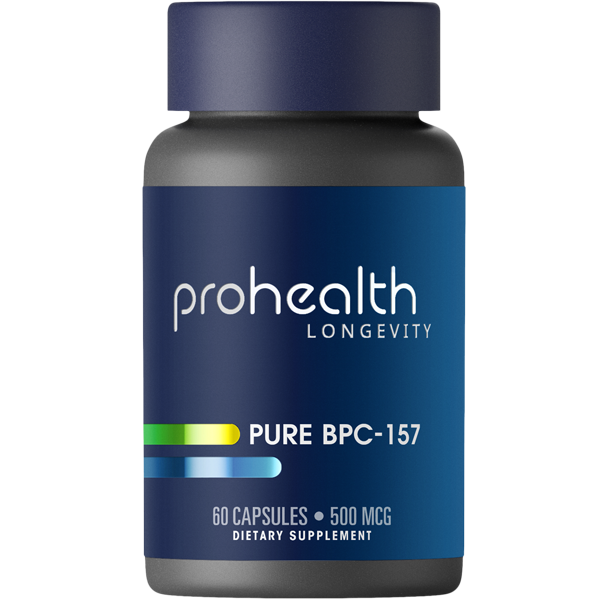
Note: Capsule-based products can differ in how they’re formulated and how directions are provided. Always follow the product label instructions and any safety guidance from your clinician.
Why People Use BPC-157 for Recovery (and What’s the Logic)
In the peptide discussion space, BPC-157 is commonly associated with tissue repair and recovery narratives. While research in humans is limited compared with lab and preclinical work, the interest is consistent: people want something that may help the body progress through the “repair” phase of soft-tissue recovery.
The underlying idea: support the repair pathway
What typically drives the use case is the belief that BPC-157 may influence processes involved in:
- Soft-tissue healing (the period where stability and gradual return matter most)
- Inflammatory signaling (people hope symptoms calm down enough to progress rehab)
- Repair efficiency (reducing the “stuck” feeling when recovery plateaus)
In practical terms, I see the biggest value when someone uses a structured rehab plan and uses the peptide to help them stay consistent—because consistency is often the real bottleneck.
What it can’t do
Even with careful routines, peptide use can’t override biomechanics. If a person continues to train through a tear-like pattern, ignores mobility restrictions, or skips strengthening, recovery still stalls. My experience is that the “it didn’t work” cases usually have one of these issues:
- Unclear problem identification (tendon vs. joint irritation vs. nerve component)
- Rehab not progressive enough (too much load too soon, or not enough loading stimulus)
- No measurable tracking (so improvements aren’t captured until they feel dramatic)
How to Evaluate Results from Pro Health BPC 157 (Without Guesswork)
If you’re considering pro health bpc 157, your best move is to create a simple evaluation system before you start. In my hands-on work, this is where people get sharper and more realistic—fast.
Use a 3-part tracking framework
Track the same variables each day or every few days:
- Pain score (0–10) at rest and during activity
- Function metric (e.g., range of motion, grip strength, single-leg stability, sprint tolerance)
- Training tolerance (what you can do without symptoms spiking later)
Set “decision points”
Instead of chasing day-to-day fluctuations, I recommend deciding how you’ll interpret progress at set intervals. For example:
- After 2 weeks: look for symptom calming and improved tolerance for rehab loading
- After 4–6 weeks: look for functional progress (not just “feels better”)
- After 8+ weeks: expect clearer strength/return-to-activity signals if rehab is truly progressive
Because recovery is non-linear, your goal is to see a trend that supports progression—not to validate the routine based on one good day.
Quality, Safety, and Practical Considerations
When discussing peptides like BPC-157, quality control is a major deciding factor. From my experience working with supplements in practice, the safest path is to prioritize:
- Clear labeling (dose per capsule, directions, and serving size)
- Consistency (same product lot or stable formulation over time)
- Documentation (where available, third-party testing and quality statements)
- Realistic expectations (supporting repair, not magical outcomes)
Who should be cautious
You should involve a qualified clinician before using any peptide product if you have:
- Pre-existing medical conditions
- Any history of adverse supplement reactions
- Pregnancy or breastfeeding
- Significant medication interactions concerns
Also, if you experience unusual symptoms, stop and get medical guidance.
Common Questions People Ask About Pro Health BPC 157
FAQ
Is pro health bpc 157 the same as BPC-157 in general?
“BPC-157” refers to the peptide itself. “Pro health bpc 157” refers to a specific brand/product offering (here, a 500 mcg capsule format). What matters for outcomes is the labeled dose, formulation, directions, and quality verification—not just the peptide name.
How soon should I notice changes?
With soft-tissue recovery, symptom shifts can be early (calmer pain, better tolerance), but meaningful functional improvements typically take longer. In practice, I look for early tolerance improvements within a couple of weeks and more objective functional progress by 4–6 weeks—assuming your rehab plan is progressive.
Can I use it without a rehab program?
You can try, but it’s usually less effective. The most reliable outcomes I’ve seen happen when the peptide support aligns with a structured rehab routine: progressive loading, mobility work, and sleep/nutrition consistency.
Conclusion: A Smarter Next Step If You’re Considering This Product
Pure BPC-157 (500 mcg, 60 capsules) is primarily considered as a recovery-support option in the peptide ecosystem, and people often search for pro health bpc 157 when they need help progressing through repair. The best approach is to pair any routine with measurable tracking and progressive rehab, so you can tell whether it’s actually improving function—not just how you feel on one day.
Next step: Start a 2-week tracking baseline (pain, range/function, training tolerance), align your rehab plan with progressive loading, and only then decide whether continuing makes sense based on trends at your decision points.
Discussion